TL;DR
- If you smell burning plastic or see sparks, disconnect shore power immediately and call (772) 677-1583.
- Most RV electrical emergencies in Vero Beach come down to failed shore power connections, tripped breakers, or dead converter units.
- Temporary fixes like resetting a GFCI outlet or flipping a breaker cost nothing, but a full converter replacement runs $350 to $900.
- Florida heat, humidity, and salt air near the Indian River accelerate wiring corrosion, making annual inspections non-negotiable.
- Treasure Coast RV Repair serves Vero Beach and Indian River County with RVIA-certified technicians who've completed 4,100+ repairs since 2013.
When your RV electrical system fails in Vero Beach, the first thing you should do is disconnect from shore power and stay calm. Panic leads to mistakes, and mistakes around 30-amp or 50-amp systems can cause fires, shocks, or permanent damage to your rig. Whether you're parked at Treasure Shores Beach Park or camped along the Indian River, the steps you take in the first five minutes matter more than anything else.
We've been handling RV electrical emergencies across Indian River County since 2013, and the calls we get follow a pattern: something stops working, the owner tries a few things, and then the situation gets worse before it gets better. This guide walks you through the right sequence, covering shore power issues, battery failures, converter problems, and more, so you don't make the situation harder than it needs to be.
What to Do When Your RV Loses All Power
If your entire RV goes dark, the most likely culprits are a tripped main breaker, a failed surge protector, or a lost shore power connection at the pedestal. Start outside: check the pedestal breaker at your campsite, then inspect your surge protector for a fault indicator light. Many surge protectors sold for use in Vero Beach and surrounding areas will lock out power after a voltage spike and need a manual reset.
If the pedestal looks fine and your surge protector resets without restoring power, move inside and check your main breaker panel. A tripped breaker will sit between the ON and OFF positions, not fully in either direction. Flip it fully off, then fully on. If it trips again immediately, stop, that's a sign of a short circuit or an overloaded circuit that needs a professional diagnosis before you proceed.
One thing we see constantly in Vero Beach is corrosion on the shore power cord prongs caused by the salt air coming off the Indian River. A visibly green or pitted prong won't carry current reliably and can arc, which is a fire risk. If the cord looks corroded, don't use it until it's been inspected.
RV Electrical Safety: What's Dangerous and What's Not
Not every electrical hiccup is a crisis, but a few situations demand that you stop everything and call for help immediately. If you smell burning plastic or rubber anywhere in your rig, that's a wire insulation failure and it can turn into a fire within minutes. Get everyone out, disconnect shore power if you can do it safely, and call 911 before you call us.
A tingling sensation when you touch your RV's metal exterior is a sign of a reverse polarity connection or a failing ground, both of which are serious violations of NEC Article 551 (the National Electrical Code section governing recreational vehicles). Don't touch the rig again until a technician has tested the ground system. Our team carries digital multimeters and outlet testers on every service call, so we can confirm shore power polarity and ground continuity before anything else gets touched.
Situations that feel alarming but are usually low-risk include a single dead outlet, interior lights flickering when the generator runs, or one appliance not working while others are fine. These still need attention, but they're not emergencies that require evacuating the RV.
Mobile Service Comes to You Across Indian River County
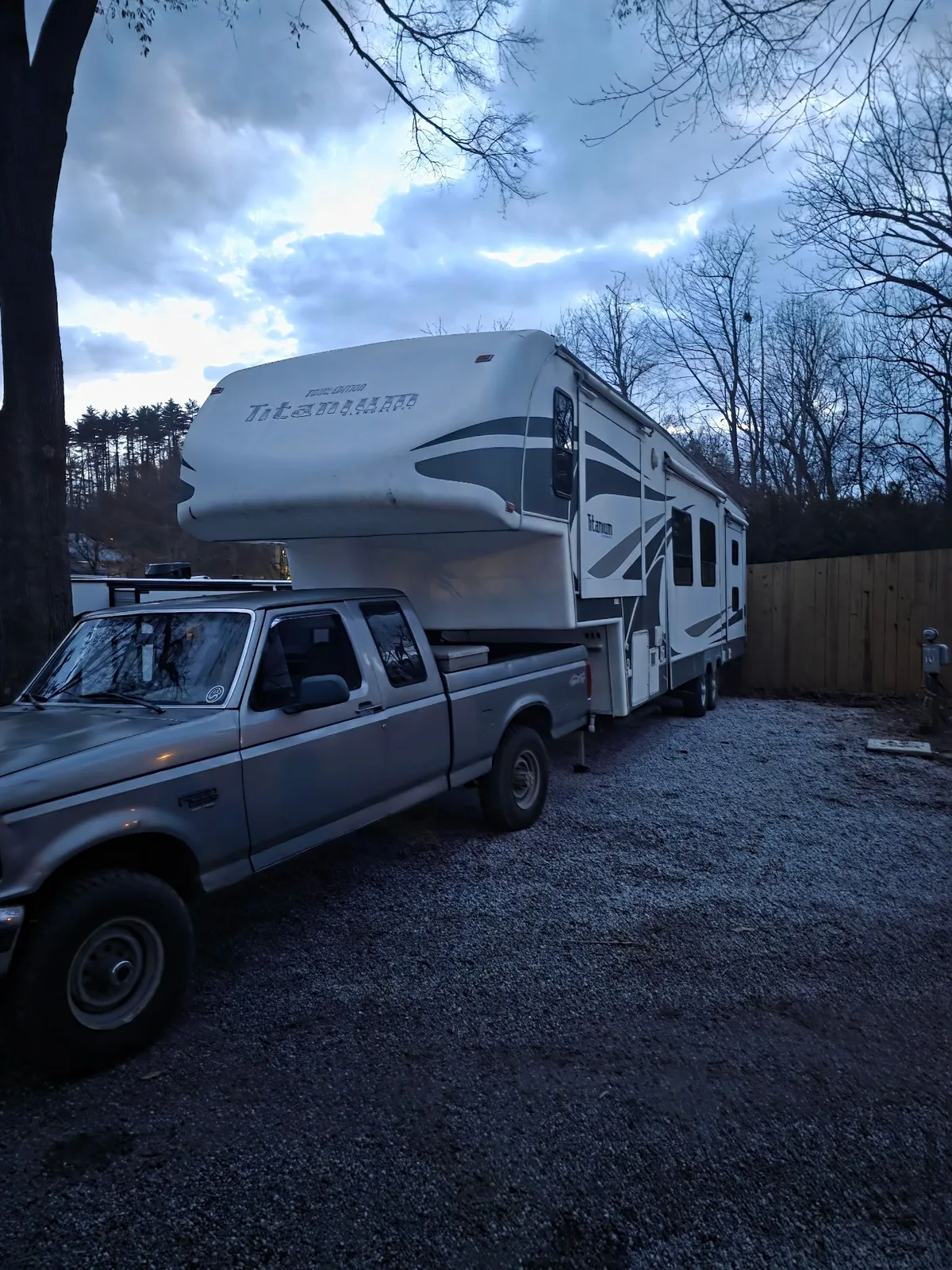
Danny Vasquez and our certified technicians bring a fully equipped service vehicle directly to your campsite or storage location anywhere in Indian River County, including Vero Beach, Sebastian, and Fellsmere. You don't need to tow a non-functional rig to a shop when the problem is electrical. Most shore power, battery, and converter diagnostics can be completed on-site in under two hours.
We've completed over 4,100 repairs since 2013, and a large portion of those calls come from Treasure Coast RV owners who were stuck without power in summer heat. In July, a broken converter or dead battery isn't just inconvenient, it's a safety issue when your AC stops working in 95-degree weather.
Pro Tip: Carry These in Your RV at All Times
Keep a non-contact voltage tester, a GFCI outlet tester, and a basic surge protector in your RV's tool kit. The outlet tester (about $12 at any hardware store) will instantly tell you if the pedestal you're plugging into has reverse polarity or a missing ground, saving you from a dangerous connection before it starts. A surge protector with a digital display will also log voltage events and lock out bad power automatically, which is especially valuable at older campground pedestals near Vero Beach where electrical infrastructure can be decades old.
What to Do When Your RV Battery Won't Hold a Charge
A battery that drains overnight or won't charge from shore power usually points to one of three things: a sulfated or dead battery, a failed converter (which is the device that charges your 12V batteries from shore power), or a parasitic draw somewhere in the 12V system. The 12V system (also called the DC system) powers your lighting, slides, water pump, and control boards even when you're not plugged in, so a dead battery kills more than just your lights.
To test whether it's the battery or the converter, connect a known-good battery charger directly to the battery terminals. If the battery charges and holds, your converter is likely the problem. If the battery won't accept a charge or drops back to nearly zero within an hour of charging, the battery itself needs replacement. Lead-acid group 27 batteries run $120 to $250, while lithium upgrades range from $600 to $1,400 depending on capacity.
Florida's heat shortens battery life significantly. The Treasure Coast's average summer temperatures combined with high humidity mean most lead-acid batteries in RVs here last 2 to 4 years instead of the 5 to 7 years you'd see in a northern climate. If your battery is over three years old and you're having issues, replacement is often more cost-effective than repeated service calls.
| RV Electrical Service | Typical Cost Range |
|---|---|
| Outlet or GFCI repair | $95 – $180 |
| Shore power cord or connector replacement | $150 – $350 |
| Surge protector installation | $120 – $300 |
| Battery replacement (lead-acid) | $180 – $350 |
| Battery replacement (lithium upgrade) | $700 – $1,600 |
| Converter replacement | $350 – $900 |
| Inverter installation or replacement | $400 – $1,100 |
| Breaker panel repair or upgrade | $300 – $850 |
| 30 to 50 amp service upgrade | $600 – $1,400 |
| Full electrical diagnostic | $150 – $250 |
| Wiring repair (minor to major) | $200 – $2,800 |
Pricing Disclaimer
All prices shown are estimates based on national averages and our service history. Actual costs may vary depending on current market conditions, parts availability, your specific RV model, and the scope of work required. The only way to determine your final cost is through an on-site diagnosis by our certified technician. Call (772) 677-1583 for a free estimate.
Temporary Fixes You Can Do Safely Right Now
There are a handful of things you can do yourself before a technician arrives that are genuinely safe and won't make the problem worse. Resetting a tripped GFCI outlet is one: press the TEST button first, then the RESET button. GFCI outlets in RVs are often wired in series, so one bad outlet can knock out several others downstream, including outlets in your bathroom and kitchen that don't have their own GFCI buttons.
If your generator runs but your AC doesn't, check the generator's breaker inside your breaker panel, and also check whether the generator has shut itself down due to low oil pressure or overheating. Generators in Florida heat overheat faster than the manufacturer's specs might suggest, especially when they're running at high load in direct sunlight. Give it 15 minutes to cool, check the oil level, and try again before calling it a mechanical failure.
What you should not attempt yourself: rewiring anything inside the walls, bypassing a breaker, or connecting directly to shore power if the cord or receptacle looks damaged. These moves can create fire hazards and void your insurance. See our related guide on RV electrical safety on the Treasure Coast for a full breakdown of what's DIY-friendly and what isn't.
When the Breaker Panel Needs Professional Attention
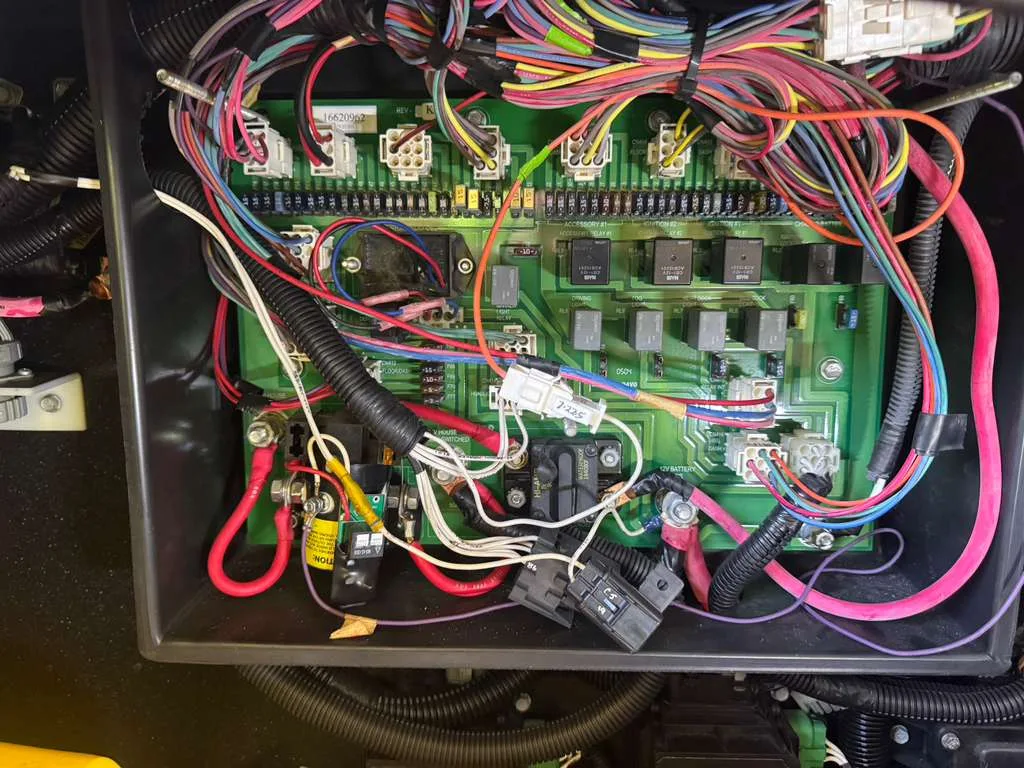
Your RV's breaker panel is the nerve center of the entire electrical system, and it's one place where DIY work creates real danger. Panels that show signs of heat discoloration, burn marks, or breakers that won't stay set are communicating a serious fault condition that often involves damaged bus bars or failing breakers that don't actually interrupt current when they trip. Per RVIA guidelines and NFPA 1192 standards for recreational vehicles, panel work must be completed by a qualified technician.
Our team handles panel repairs and full upgrades, including 30-amp to 50-amp conversions for Vero Beach RV owners who've added larger air conditioners or other high-draw appliances. Panel repair runs $300 to $850, while a full 30-to-50-amp upgrade runs $600 to $1,400 depending on the rig.
Why Florida's Climate Makes RV Electrical Problems Worse
The Treasure Coast's combination of heat, humidity, and salt air is genuinely hard on RV electrical systems in ways that owners from cooler states don't expect. Salt air from the Indian River and the Atlantic accelerates oxidation on terminal connections, shore power receptacles, and battery terminals. We regularly find connections in Vero Beach rigs that look fine from the outside but have corroded so badly underneath that they're producing resistance, which means heat, which means fire risk over time.
UV exposure here is also more intense than the national average, and UV degrades wire insulation faster than heat alone. Wiring runs that pass near roof penetrations or storage bays with no UV protection can become brittle in as few as five to seven years in South Florida. This is a major reason we recommend annual electrical inspections for any RV that lives on the Treasure Coast year-round, not just a visual check but an actual resistance and continuity test of the main circuits. You can read more about keeping costs predictable in our Treasure Coast RV repair cost guide.
If you're thinking about adding solar to offset generator use or reduce shore power dependence, the Treasure Coast is one of the best locations in the country for it. Our team also handles solar installations, and we wrote a detailed breakdown of whether it makes sense for your situation over at our Florida RV solar guide.
Questions about rv electrical systems on the Treasure Coast? Call (772) 677-1583 and ask for Danny. Free estimates, same-day service available.