TL;DR
- Some RV electrical tasks are safe to DIY, like replacing fuses, swapping LED lights, or adding a surge protector. Others, like breaker panel work or shore power wiring, require a certified technician.
- Doing the wrong repairs yourself can void your RV warranty and create serious fire or shock hazards under NEC Article 551 and NFPA 1192 guidelines.
- RV electrical repairs at Treasure Coast RV Repair range from $95 for basic diagnostic work up to $2,800 for a full 30-to-50-amp service upgrade.
- Florida's heat, humidity, and salt air near Jensen Beach accelerate electrical corrosion, meaning problems develop faster here than in drier climates.
- Danny Vasquez and our RVIA-certified team have completed 4,100+ repairs across Martin County and the Treasure Coast since 2013.
Yes, you can handle some RV electrical work yourself, but the line between safe DIY and dangerous territory is sharper than most RV owners realize. Swapping out a blown fuse or upgrading to LED lighting? That's well within reach for a careful owner with basic tools. Rewiring a 50-amp shore power connection or diagnosing a ground fault in your breaker panel? That's work that needs a certified technician, full stop.
We've seen the results of both ends of the spectrum here at Treasure Coast RV Repair. Some Jensen Beach RV owners come to us after a clean DIY swap saved them a service call. Others come in after a YouTube fix turned into a melted wire harness or a tripped GFCI that won't reset. Knowing which category your repair falls into is the most important call you'll make.
Danny Vasquez founded Treasure Coast RV Repair in 2013, and our RVIA-certified team has worked through more than 4,100 repairs across St. Lucie, Martin, and Indian River counties. We're not here to talk you out of DIY when it makes sense. We're here to make sure you know when it doesn't. This guide gives you that honest breakdown, with real costs, real risks, and the specific jobs that belong in a professional's hands.
What Makes RV Electrical Work Different From Home Electrical
RV electrical systems aren't just smaller versions of your home's wiring. They run on two separate systems at once: a 12V DC system (defined term: the low-voltage system powered by your house batteries that runs lights, fans, and control boards) and a 120V AC system (defined term: the higher-voltage shore power or generator circuit that runs your air conditioner, microwave, and outlets). These two systems interact through a converter or inverter, and a mistake in one can damage components in the other.
Beyond the dual-system complexity, RV wiring lives in a much harsher environment than household wiring. Near Jensen Beach and across the Treasure Coast, salt air accelerates corrosion on terminals and connectors, Florida's heat causes insulation to crack faster, and the vibration from highway travel loosens connections that would stay put in a stationary home. The National Electrical Code's Article 551 and NFPA 1192 both set specific standards for recreational vehicle wiring that go beyond standard residential codes, and manufacturer specs add another layer of requirements that affect your warranty.
That combination of dual-voltage systems, accelerated corrosion, and strict standards is exactly why some repairs that seem simple can become complicated fast.
RV Electrical Jobs That Are Safe to DIY
There's a real list of electrical tasks that experienced RV owners handle on their own without issue, and we're happy to share it. Replacing a blown fuse in your 12V fuse panel is straightforward as long as you match the amperage exactly. Swapping old bulbs for LED lighting is one of the best DIY upgrades you can make: it cuts power draw, reduces heat inside the rig, and the connections are simple plug-and-play sockets in most modern RVs.
Adding a plug-in surge protector to your shore power connection is another smart DIY move. A good 30-amp or 50-amp surge protector plugs between the pedestal and your RV's power cord with no wiring required, and it's one of the most important things you can do to protect your electrical system at Nettles Island or any other campground near Jensen Beach. Checking and cleaning battery terminals with a wire brush and baking soda solution, testing outlets with a simple plug-in outlet tester, and resetting a tripped GFCI outlet are also firmly in DIY territory.
The common thread is that safe DIY work involves no modification to fixed wiring, no opening of junction boxes, and no work inside the converter, inverter, or breaker panel.
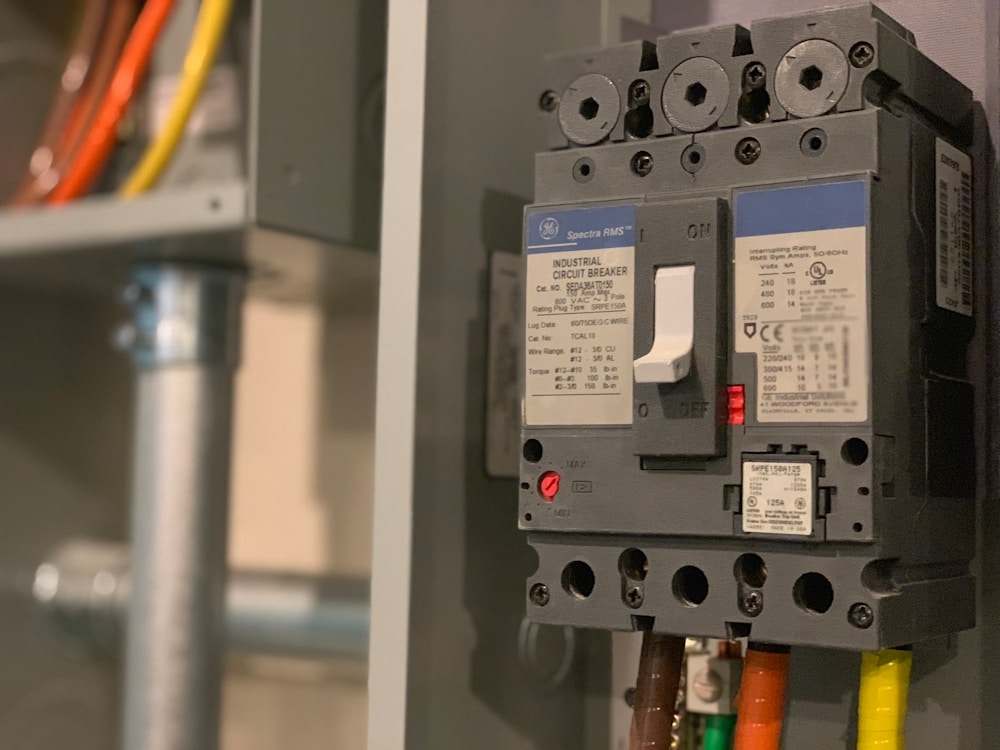
Know Your Panel Before You Touch It
The breaker panel in your RV looks similar to a home panel, but the wiring standards under NFPA 1192 are different, and the consequences of a miswired circuit in a confined RV space are more immediate. If you're seeing repeated breaker trips, that's a diagnostic job, not a DIY breaker swap.
Our team at Treasure Coast RV Repair runs a full panel inspection starting at $95, which tells you exactly what's wrong before any parts are ordered. That's almost always cheaper than guessing and buying the wrong component.
Pro Tip: Test Before You Touch
Before doing any DIY electrical work, disconnect shore power AND disconnect your battery bank. RV systems can backfeed from the 12V side even when unplugged from the campground pedestal. A non-contact voltage tester (available for under $20 at any hardware store) is the single most important tool you can own for safe RV electrical work. Never skip this step, even on a task that seems minor.
RV Electrical Work That Requires a Certified Technician
Some jobs aren't judgment calls. Wiring or rewiring your shore power inlet, upgrading from 30-amp to 50-amp service, replacing or bypassing your converter or inverter, and any work inside the breaker panel all require a certified technician. These aren't arbitrary restrictions: they're grounded in the safety standards set by NEC Article 551, RVIA guidelines, and most RV manufacturer warranties.
Ground fault diagnosis is another one that often surprises DIYers. A GFCI that keeps tripping isn't just a nuisance: it's a signal that current is flowing somewhere it shouldn't be. Tracing a ground fault requires a dedicated circuit tester, knowledge of how RV wiring is routed behind walls and under floors, and the ability to isolate each circuit safely. Guessing at the cause and swapping components without a proper diagnosis is how small problems become expensive ones.
A 30-to-50-amp service upgrade, which is one of our most requested jobs from Jensen Beach and Martin County RV owners upgrading to newer rigs with higher power demands, runs between $400 and $1,200 depending on the RV's existing infrastructure. That's not a job that forgives shortcuts. Our Jensen Beach service team handles this regularly and can assess your rig's readiness before any work begins.
| Service | Estimated Cost Range | DIY Possible? |
|---|---|---|
| Fuse replacement (12V panel) | $5–$15 parts only | Yes |
| LED lighting upgrade | $20–$120 parts only | Yes |
| Plug-in surge protector install | $50–$180 parts only | Yes |
| Battery terminal cleaning | $0–$20 parts only | Yes |
| Electrical system diagnostic | $95–$175 | No |
| GFCI outlet replacement | $95–$200 | No |
| Converter/inverter replacement | $250–$900 | No |
| Breaker panel repair | $200–$700 | No |
| Shore power inlet replacement | $150–$450 | No |
| 30-to-50-amp service upgrade | $400–$1,200 | No |
| Full electrical system rewire | $1,200–$2,800 | No |
Pricing Disclaimer
All prices shown are estimates based on national averages and our service history. Actual costs may vary depending on current market conditions, parts availability, your specific RV model, and the scope of work required. The only way to determine your final cost is through an on-site diagnosis by our certified technician. Call (772) 677-1583 for a free estimate.
What Tools Do You Actually Need for Safe DIY RV Electrical Work
You don't need a professional toolkit to handle the DIY tasks we listed, but you do need the right basics. A non-contact voltage tester is non-negotiable: it confirms that a circuit is de-energized before you touch anything. A quality multimeter lets you test battery voltage, check for continuity in a fuse, and measure outlet voltage to confirm your shore power connection is healthy. These two tools together cost well under $60 and belong in every RV owner's storage bay.
Beyond those, a set of insulated screwdrivers, needle-nose pliers, and a wire stripper covers most fuse and light swap jobs. Electrical tape and heat-shrink connectors are better than crimp connectors alone for anything near Jensen Beach, because Florida's humidity works its way into bare metal connections and starts corrosion within months. For battery work, a pair of insulated gloves and safety glasses aren't optional when you're working near a battery bank that can deliver hundreds of amps.
What you should never use as a substitute for proper diagnosis tools: a phone flashlight and intuition. If you can't measure it, you're guessing, and guessing with 120V AC is how people get hurt.
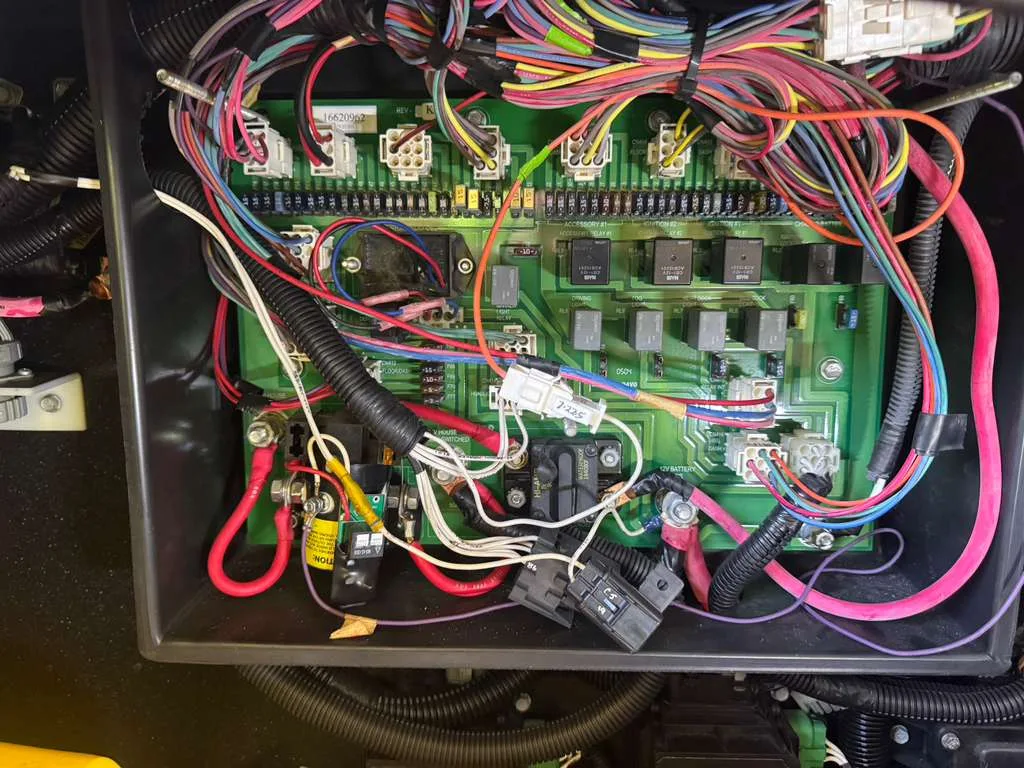
When the Board Itself Is the Problem
Control boards, converter boards, and distribution panels in modern RVs are increasingly integrated, meaning one failed component can affect multiple systems simultaneously. We see this regularly in rigs that have been through a few Florida summers, where heat cycling degrades solder joints and humidity causes board-level corrosion.
Our team uses professional-grade diagnostic equipment to isolate board failures before recommending replacement. You can learn more about the full scope of our electrical services on our RV electrical services page, and see how this connects to related issues in our post on RV electrical safety on the Treasure Coast.
When DIY Electrical Work Voids Your RV Warranty
This is the part most RV owners don't find out until it's too late. Most RV manufacturer warranties include explicit language that voids coverage for electrical damage caused by unauthorized modifications or repairs. That language is usually broad enough to cover situations where you replaced a fuse incorrectly and caused a downstream component failure, even if the connection seemed logical at the time. RVIA guidelines and manufacturer specs are written into warranty terms by design.
The risk is highest on newer rigs still under factory warranty and on extended service contracts, which often require that all repairs be performed by a licensed and certified technician. If you're camped near Jensen Beach and you try to DIY a converter replacement on a rig that's still under warranty, you could be looking at a denied claim on the next service visit worth several times what the converter cost. We always recommend calling us first, even just to ask, before touching any fixed wiring on a rig under warranty coverage.
For a full picture of what repairs typically cost across categories, our Treasure Coast RV repair cost guide breaks it down service by service. And if your electrical issues are tied to your AC system straining in the Martin County summer heat, our Treasure Coast RV AC survival guide covers exactly that overlap.
Why Jensen Beach RV Owners Face Faster Electrical Wear
Jensen Beach sits right in the heart of Florida's Treasure Coast, and the combination of salt air off the Indian River Lagoon, year-round heat, intense UV, and humidity creates one of the most corrosive environments an RV electrical system can face. We see terminal corrosion in Jensen Beach and Martin County rigs that would take twice as long to develop in Arizona or Colorado. Wire insulation that would last 15 years in a dry climate can crack and become brittle in seven or eight years here.
That means even RVs that are well-maintained need electrical inspections more frequently than the manufacturer's standard schedule suggests. Battery terminals should be cleaned and treated every six months in this climate, not annually. Shore power connections should be inspected for corrosion and heat discoloration at least once a year. A basic electrical inspection with our team starts at $95 and takes less than an hour: it's genuinely one of the best investments you can make in the life of your rig if you're storing or camping along the Treasure Coast regularly.
Visit our Jensen Beach service area page to see how we support RV owners throughout the area, and reach out to Danny Vasquez's team directly at (772) 677-1583 to schedule an inspection or get a quote on any electrical concern you're seeing right now.
Questions about rv electrical systems on the Treasure Coast? Call (772) 677-1583 and ask for Danny. Free estimates, same-day service available.