TL;DR
- Yes, some RV exterior work is safe to DIY, including weather stripping, caulking, and compartment door latches, but structural repairs and window replacements need a certified tech.
- Florida's heat, humidity, and salt air in the Indian River County area accelerate exterior wear faster than most climates, making regular inspection non-negotiable.
- DIY mistakes on sealed systems can void your RV manufacturer warranty under RVIA guidelines, so know the limits before you grab a caulking gun.
- Professional RV exterior and body repairs at Treasure Coast RV Repair range from $100 to $1,200 depending on the scope of work.
- Danny Vasquez and our RVIA-certified team have completed 4,100+ repairs across the Treasure Coast since 2013.
Yes, you can handle some RV exterior and body work yourself, but the line between a safe DIY fix and a costly mistake is thinner than most people expect. Simple jobs like replacing weather stripping, touching up exterior caulk around trim, or swapping out a broken exterior light fixture are well within reach for a handy RV owner. Anything that involves the structural shell, window frame integrity, or sealed slide-out systems is a different story entirely.
We've seen this play out hundreds of times across Vero Beach and the broader Treasure Coast. A small gap that looks like a caulking job turns out to be a delaminating wall. A foggy window that seems like a seal replacement becomes a frame rot situation once a certified tech gets eyes on it. Our RV exterior and body service exists precisely because Florida's climate turns minor issues into major damage faster than almost anywhere else in the country.
This guide walks you through what's genuinely safe to DIY, what needs a certified technician, the tools involved, and where the real risks live. If you're not sure which category your issue falls into, you can always call us at (772) 677-1583 for a quick conversation before committing to anything.
Why Florida's Climate Makes RV Exterior Damage Worse
Living and camping in the Vero Beach area comes with serious perks, but the environment is genuinely hard on RV exteriors. The combination of intense UV radiation, near-constant humidity, and salt air blowing in off the Atlantic creates conditions that degrade sealants, oxidize fiberglass, and rot wood substrates far faster than what RV owners in drier climates deal with. At Sebastian Inlet State Park just north of Vero Beach, rigs parked close to the water show measurable seal degradation within a single season.
UV exposure alone can break down standard exterior caulk in as little as 12 to 18 months under south Florida sun, compared to 3 to 5 years in moderate climates. That means inspection cycles need to be more frequent here in Indian River County, and the window for catching a small problem before it becomes a big one is shorter. According to RVIA maintenance guidelines, RV sealants in high-UV coastal environments should be inspected every 6 months at minimum. Our team at Treasure Coast RV Repair follows that same schedule recommendation with every customer we service across Vero Beach and surrounding communities.
RV Exterior Jobs That Are Safe to DIY in Vero Beach
There's a real category of exterior maintenance that handy RV owners can handle without putting their rig or warranty at risk. Weather stripping replacement around entry doors and compartment doors is one of the most straightforward, and it's also one of the most impactful things you can do to keep moisture out. You'll need a utility knife, a heat gun or hair dryer to soften old adhesive, and the correct replacement strip for your door profile.
Exterior lighting swaps are another solid DIY job, as long as you're replacing a fixture with an identical unit and not rewiring. Cleaning and applying a fresh coat of UV-protectant wax to fiberglass panels, reapplying sealant around trim pieces that aren't load-bearing, and adjusting a misaligned compartment door latch are all jobs that won't put your warranty in jeopardy if done correctly. What all of these have in common is that they don't touch structural components, sealed water systems, or anything covered under NFPA 1192 safety standards. Keep those jobs on your list and you'll stay in safe territory.

What a Certified Tech Sees That You Won't
Danny Vasquez and our RVIA-certified technicians are trained to read the early signs of structural failure that look completely benign from the outside. A soft spot near a window frame might feel like a cosmetic issue, but it often signals water intrusion that's already working through the wall substrate. Without a moisture meter and experience interpreting the readings, it's nearly impossible to know how far the damage has spread.
This is the core reason we recommend a professional inspection before committing to any DIY work on entry doors, window seals, or exterior body panels. Catching hidden moisture early is the difference between a $200 repair and a $1,200 structural fix. Learn more about what our certified team looks for on our RV exterior service page.
Pro Tip: The Tap Test for Delamination
Before starting any exterior body work, tap along the sidewall panels with your knuckles in a grid pattern. A solid, consistent sound means the substrate is intact. A hollow or dull thud in any spot means water has gotten between the outer skin and the wall framing. Stop there and call a certified tech before doing anything else. Painting, caulking, or patching over a delaminated panel will trap moisture inside and make the repair significantly more expensive. You can reach our team in Vero Beach and across Indian River County at (772) 677-1583.
RV Exterior Work That Requires a Certified Technician
Window replacements are at the top of the list of jobs that should never be attempted without professional training. RV windows aren't just glass in a frame. They're sealed units integrated into the wall structure, and improper installation leads directly to water intrusion, wall delamination, and in some cases structural compromise. RVIA guidelines are clear that improper window seal work can void manufacturer warranties on the surrounding wall assembly.
Full panel replacement, slide-out seal systems, entry door frame repairs, and any body work that involves cutting into the exterior skin all fall into this category as well. These jobs require specialty tools including pneumatic rivet guns, commercial-grade butyl tape applicators, and calibrated torque specifications for fasteners that vary by manufacturer. Our team has handled over 4,100 repairs across the Treasure Coast and we've seen more than a few DIY attempts at these jobs that ended up costing the owner two to three times more to fix properly. If the repair involves anything structural or sealed, the honest answer is that you need a certified tech on site.
| RV Exterior & Body Service | Estimated Cost Range |
|---|---|
| Weather stripping replacement (entry/compartment door) | $100 - $200 |
| Exterior caulking and seal refresh | $100 - $250 |
| Exterior lighting fixture replacement | $100 - $200 |
| RV skirting installation or repair | $150 - $400 |
| Window seal replacement (single window) | $200 - $450 |
| Compartment door replacement | $150 - $350 |
| Fiberglass panel repair (hairline to moderate damage) | $250 - $700 |
| Full sidewall delamination repair | $500 - $1,200 |
| Entry door frame repair or replacement | $300 - $900 |
Pricing Disclaimer
All prices shown are estimates based on national averages and our service history. Actual costs may vary depending on current market conditions, parts availability, your specific RV model, and the scope of work required. The only way to determine your final cost is through an on-site diagnosis by our certified technician. Call (772) 677-1583 for a free estimate.
Tools You'll Need for Safe DIY RV Exterior Repairs
If you're going to take on the DIY-safe tasks we mentioned, getting the right tools makes all the difference between a clean result and a job you'll have to redo in six months. For weather stripping and exterior caulking work, you'll want a tube of self-leveling lap sealant (Dicor is the most widely recommended brand for RV applications), a caulk gun, a plastic putty knife to avoid scratching the exterior, painter's tape for clean lines, and a heat gun to soften old material during removal. A moisture meter is worth the $40 to $60 investment before you start any exterior work in the Vero Beach humidity.
For exterior lighting swaps, you'll need a multimeter to confirm the circuit is dead before touching any wiring, the correct replacement fixture rated for exterior RV use, and self-tapping screws in the original size. If you're applying UV protectant or oxidation remover to fiberglass, a dual-action polisher will give you a far better result than hand application. One thing to keep in mind for all of these jobs: if you discover anything unexpected once you start pulling things apart, that's the moment to stop and call a professional rather than improvising forward. Check out our related post on UV protection for RV surfaces in south Florida for more on keeping your exterior in good shape long-term.
Mobile Service Across Vero Beach and Indian River County
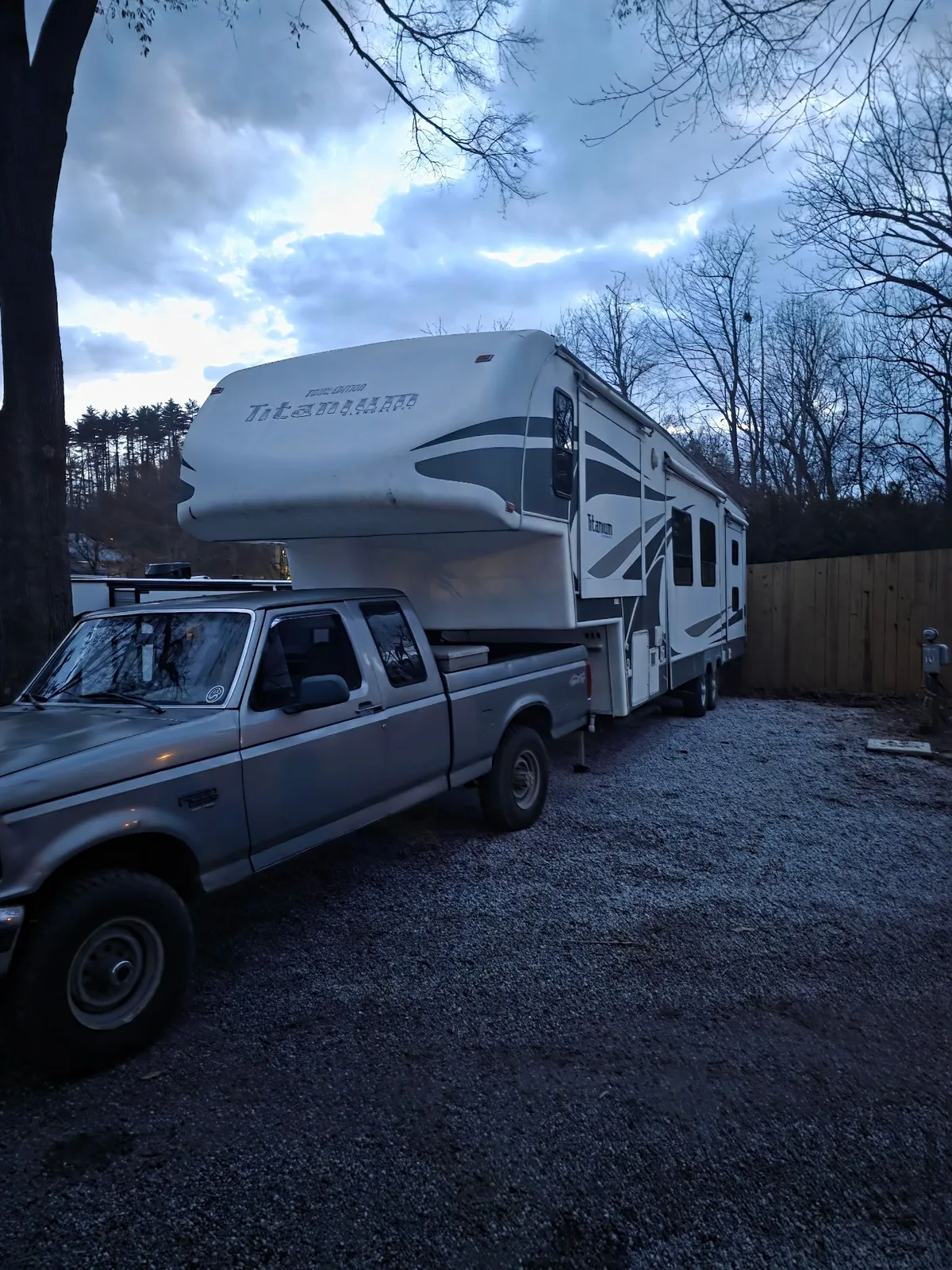
One of the reasons Vero Beach RV owners call us instead of hauling their rig to a shop is that we come to you. Our mobile service unit is stocked with the tools and parts to handle most exterior and body repairs right at your site, whether that's a campground, a storage facility, or your own driveway. We serve all of Indian River County along with St. Lucie and Martin counties, covering 16 cities across the Treasure Coast.
You can see all the areas we cover and schedule a visit through our Vero Beach service area page, or call Danny Vasquez's team directly at (772) 677-1583 to talk through what's going on with your rig before booking.
When DIY RV Exterior Work Voids Your Warranty
This is the part most RV owners don't think about until it's too late. Manufacturer warranties on RV exterior systems, including wall panels, windows, and sealed entry assemblies, typically require that repairs be performed by an RVIA-certified technician using approved materials. If you apply the wrong sealant type, install a window without the correct butyl tape backing, or modify a compartment door assembly outside manufacturer specs, you can void the coverage on that system entirely. Some manufacturers are specific enough that they require documented repair records from a certified shop.
The warranty risk is especially real for newer rigs still under the original manufacturer coverage. For rigs more than five years old where the original warranty has likely expired, the calculus changes a bit, but the quality risk of a bad DIY repair remains the same regardless of warranty status. Our advice is always to read your manufacturer documentation before starting any exterior work, and when in doubt, check with our team first. A five-minute phone call could save you from a situation that costs far more than a professional repair would have. For a broader look at repair costs and what to expect, our Treasure Coast RV repair cost guide is a good place to start.
Questions about rv exterior & body on the Treasure Coast? Call (772) 677-1583 and ask for Danny. Free estimates, same-day service available.