TL;DR
- If your generator won't start, check oil level, fuel, and the reset breaker first before calling a pro.
- Carbon monoxide risk is real: if you smell exhaust inside your rig, get out immediately and call 911.
- Florida heat and salt air near Jensen Beach accelerate generator wear faster than most climates.
- Temporary fixes like fuel stabilization and manual resets can buy you time, but aren't permanent solutions.
- Treasure Coast RV Repair handles generator service from $75 to $350, with same-week appointments available.
When your RV generator stops working in Jensen Beach, the first thing you need to do is stay calm and run through a quick safety check before you touch anything. Florida's heat and humidity make a dead generator more than an inconvenience. It can become a genuine health risk in minutes, especially during a late-summer stretch along the Treasure Coast when temperatures push into the low 90s and the air feels like a wet blanket.
At Treasure Coast RV Repair, we've handled over 4,100 repairs across Martin County, St. Lucie County, and Indian River County since Danny Vasquez founded the business in 2013. Generator calls are among our most common emergency requests, and we've seen every flavor of failure from a flooded Onan to a spark plug that turned into carbon the moment Florida humidity got to it. This guide walks you through the immediate steps, the safety concerns, and the point where a phone call to us at (772) 677-1583 is the smartest move you can make.
What to Do the Moment Your RV Generator Stops Working
The very first step is ventilation. If you're inside the coach and the generator just cut out, open windows and doors before you do anything else. Carbon monoxide (CO) is a colorless, odorless gas produced by generator exhaust, and it can linger in an enclosed RV even after the unit shuts down. NFPA 1192 and RVIA safety guidelines both require a working CO detector in every RV, so check yours immediately.
Once you know the air is clear, go outside and check three things in order: the oil level, the fuel level, and the generator's reset breaker or circuit breaker panel. Low oil is the single most common reason an Onan generator (the most popular brand in production RVs) shuts itself down automatically. A lot of Jensen Beach-area campers we talk to don't realize that the unit has a built-in low-oil shutdown feature designed to protect the engine.
If oil and fuel are both fine and the breaker looks okay, try a manual reset by holding the stop button for a few seconds, waiting two minutes, and attempting a restart. Don't crank it more than three times without finding a cause. Repeated failed starts can flood the carburetor and turn a simple fix into a $200-plus repair job. Check out our RV generator service page for a full breakdown of what each failure type typically means.
Florida-Specific Dangers That Make Generator Problems Worse in Jensen Beach
Jensen Beach sits right on the edge of the Indian River Lagoon, and that salt air is no friend to electrical components, spark plugs, or fuel systems. We see corrosion on generator terminals and fuel line connections in rigs that are only a year or two old when their owners skip routine maintenance. UV exposure from the intense South Florida sun degrades rubber fuel lines and seals faster than in northern climates, so a fuel leak that might take five years to develop in Ohio can show up in eighteen months here.
Heat is the other major factor. Generator engines work harder in high ambient temperatures, which means they burn oil faster and run at higher internal temps. According to data from Onan's service documentation, every 10-degree increase in operating temperature can cut oil life by nearly half. During a Jensen Beach September, your generator might be running in 95-degree heat with 80 percent humidity. That's a punishing environment, and it's why we recommend a generator oil change every 100 hours of use here rather than the 150-hour interval that works fine in cooler states.
Salt air also attacks spark plugs. A fouled or corroded spark plug causes hard starts, misfires, and eventually a no-start condition. If you're camping near Hutchinson Island or keeping your rig at a storage facility close to the water, budget for spark plug inspections at least twice a year. It's a $75 service call that can save you a much bigger headache down the road.
We Come to You: Mobile Generator Service Across Martin County
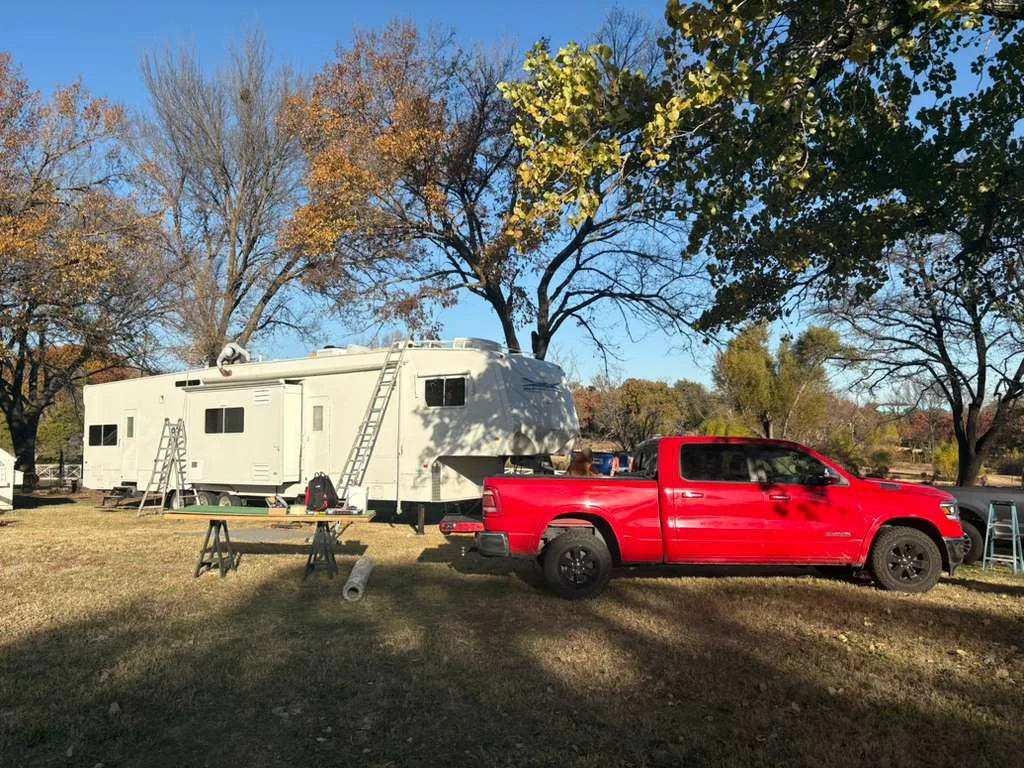
One of the biggest advantages of calling us is that our team comes to wherever your rig is parked, whether that's a Jensen Beach campground, a storage lot off US-1, or your own driveway. Danny Vasquez built Treasure Coast RV Repair specifically to serve RV owners who can't tow a 40-foot motorhome to a shop for a service call. We cover 16 cities across St. Lucie, Martin, and Indian River counties with a fully equipped mobile unit.
You can learn more about generator and related services available to Jensen Beach RV owners on our city service page. When you call (772) 677-1583, our team can usually give you a same-week appointment, and in genuine emergency situations we do our best to get out faster than that.
Pro Tip: Fuel Stabilization Before Hurricane Season
If a named storm is heading toward the Treasure Coast and you need to shut down your rig for a few weeks, add a quality fuel stabilizer to your generator's fuel tank before you park it. Florida summer fuel degrades fast, especially ethanol-blended gas, and stale fuel is the number-one cause of generator hard-start complaints we get after evacuation season ends. A bottle of stabilizer costs about $10 and takes two minutes to add. It can save you a $150-plus carburetor cleaning service call.
Temporary Fixes vs. Permanent Repairs: Knowing the Difference
There are a handful of things you can do on the road to get your generator running long enough to reach a service location or stay safe through a hot night. These are temporary measures, not solutions, and treating them as permanent is how a $100 fix turns into a $350 generator overhaul. That said, knowing them is part of being a prepared RV owner on the Treasure Coast.
A manual reset after a low-oil shutdown is a legitimate short-term move, as long as you add oil first and don't run the unit until the underlying cause is found. If you're getting weak or inconsistent power output rather than a full no-start, checking the load is worthwhile. Try turning off the air conditioner and any other high-draw appliances, then restarting. An overloaded generator trips its own breaker as a protective feature, and sometimes that's all that's happening. Load testing, which is something we perform as part of a standard service visit, identifies whether the unit is actually healthy or just limping along.
Fuel stabilization added to a tank that already shows signs of varnish buildup is not a fix, it's a delay. If your generator is surging, hunting (revving up and down erratically), or producing black smoke, the carburetor likely needs cleaning or the fuel system needs a proper inspection. That's when you call us. For more context on repair costs, our Treasure Coast RV repair cost guide breaks down what you can expect to pay for different service levels.
| Generator Service Type | Estimated Cost | What's Included |
|---|---|---|
| Basic Diagnostic Visit | $75 | Oil check, fuel check, breaker inspection, reset attempt |
| Spark Plug Replacement | $75–$120 | Plug removal, inspection, new plugs installed, test run |
| Generator Oil Change | $95–$150 | Drain and refill, filter check, runtime test |
| Fuel System Cleaning | $150–$250 | Carburetor clean, fuel stabilization, fuel line inspection |
| Load Testing Service | $125–$175 | Full load test under real conditions, output measurement |
| Full Generator Tune-Up | $200–$350 | Oil, plugs, filters, load test, fuel stabilization, full report |
Pricing Disclaimer
All prices shown are estimates based on national averages and our service history. Actual costs may vary depending on current market conditions, parts availability, your specific RV model, and the scope of work required. The only way to determine your final cost is through an on-site diagnosis by our certified technician. Call (772) 677-1583 for a free estimate.
When to Call a Pro: Signs Your Generator Needs Expert Attention Now
Some generator problems are DIY-friendly. A lot of them aren't, and misdiagnosing an electrical fault or a fuel system issue on a generator that sits 18 inches from your fuel tank is not the place to experiment. Here's where the line is: if you smell fuel during or after a restart attempt, stop immediately. A fuel leak near a hot exhaust system is a fire risk, and it falls under both NFPA 1192 guidelines and common sense.
Any situation involving electrical output problems, unusual sounds like grinding or high-pitched whining, or a generator that runs but trips the main RV breaker repeatedly needs a certified technician. Our team is RVIA certified, licensed, bonded, and insured, and Danny Vasquez has been diagnosing these exact problems across the Treasure Coast for over 13 years. We follow manufacturer specs and RVIA guidelines on every job, which matters for warranty purposes and for your safety.
Carbon monoxide symptoms including headache, dizziness, or nausea while inside a running RV are a 911 situation, not a service call situation. Get everyone out of the coach, stay upwind, and call emergency services. After you're safe, call us at (772) 677-1583 and we'll help you figure out what failed in the exhaust or ventilation system. You can also read our related guide on keeping your RV cool on the Treasure Coast, since generator and AC problems often show up together during Florida summers.

What Our Technicians Actually Check During a Generator Service Call
When our team arrives at your Jensen Beach location, the first thing we do is a full visual inspection before we start anything. That means looking at fuel lines, exhaust connections, battery terminals, and the generator housing itself for signs of corrosion, heat damage, or pest intrusion (yes, rats love generator compartments in warm Florida climates). Then we check oil quality and level, run a spark plug inspection, and test the battery that powers the starter circuit separately from the house batteries.
After the physical inspection, we do a load test under realistic conditions, running the generator at 50 percent and then 80 percent of its rated capacity while measuring output voltage and frequency. This is the step most DIY approaches skip, and it's where hidden problems show up. A generator that starts fine but drops voltage under load has a real problem that will fail you at the worst time, like a hot night on Hutchinson Island with no shore power available.
Routine Generator Maintenance That Prevents Emergencies in the First Place
The most common generator emergencies we handle in the Jensen Beach area are completely preventable with a simple maintenance schedule. An oil change every 100 hours of runtime (or once a year if you don't run it that much) keeps the engine protected. Spark plugs should be inspected annually and replaced every 200 hours or sooner if you're storing the rig near the coast where salt air can corrode the electrode faster than normal.
Fuel stabilization is non-negotiable in Florida if your generator sits unused for more than 30 days. Ethanol-blended gasoline absorbs moisture from the air, especially in our humid Treasure Coast climate, and that water contamination leads to carburetor varnish and fuel line degradation. Running the generator under load for 30 minutes every two weeks during storage season keeps fuel circulating and prevents those issues. It also keeps the seals lubricated and the starter battery charged.
A full tune-up once a year, including oil, spark plugs, filters, load testing, and a fuel system check, runs between $200 and $350 with our team and takes about two hours on-site. Compare that to an emergency repair call after a major failure, and the math is obvious. Visit our Jensen Beach service area page to schedule routine maintenance before the next busy season starts. For tips on related systems affected by Florida humidity, our article on RV water damage in Florida is worth a read too.
Questions about rv generator maintenance on the Treasure Coast? Call (772) 677-1583 and ask for Danny. Free estimates, same-day service available.